Books, objects and posters
Find in the online shop a selection of products related to the author
See full shop
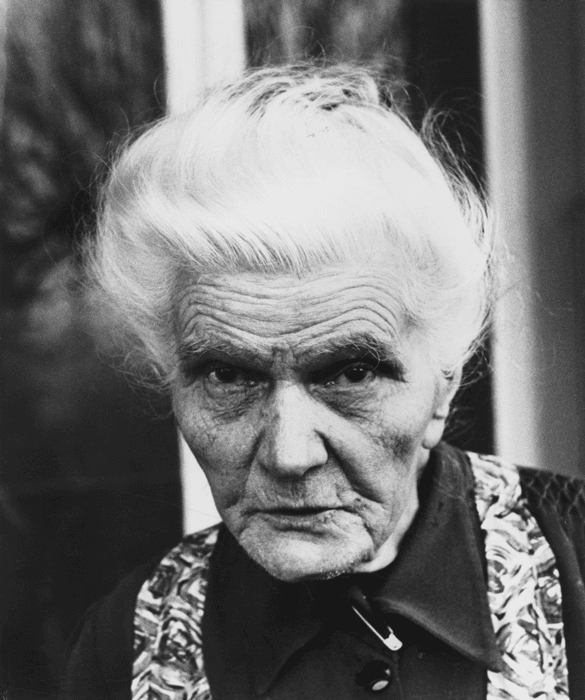
Aloïse Corbaz, known as Aloïse (1886 - 1964), was born in Lausanne (Switzerland) to a large family of modest means; at thirteen, she lost her mother. At the end of her schooling and one year of boarding school, she found herself at loose ends for some time. Her dream was to become an opera singer and, already then, she began composing religious propaganda. To cut short a relationship of which she disapproved, her elder sister ordered Aloïse to leave for Germany; there Aloïse worked as a governess in various situations, including a stint in Potsdam, in William II's court. Thereupon, she fell in love with the emperor, imagining a torrid love affair with him. The war's outbreak obliged her to leave the country hurriedly. Back in Switzerland, she showed signs of such exalted religious and pacifist feelings that she was committed to the Cery-sur-Lausanne asylum in 1918, followed by the La Rosière Asylum in Gimel-sur-Morges, where she would remain until her death.
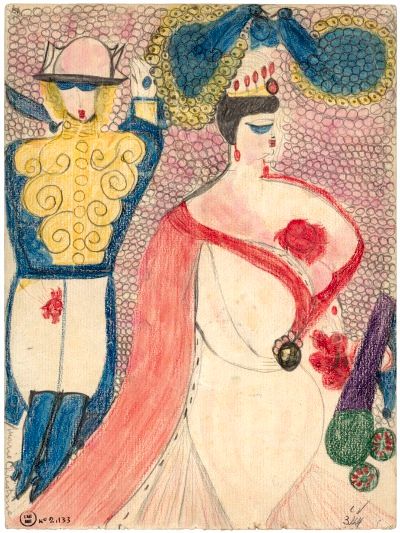
Shortly after entering the hospital, she began writing and drawing. Until 1936, she did so in secret, using lead pencil and ink. At times, too, she resorted to flower petal juice, as well as crushed leaves and toothpaste. She used wrapping paper, sometimes sewn with thread, in order to achieve large formats; and, too, envelopes, pieces of cardboard and the backs of calendars. Often as well she used sketch books, which came to represent a specific sector of her oeuvre. She developed a fantasized world in these, often favoring the support's vertical direction. Aloïse created a personal cosmogony filled with princely and political figures — like Napoleon Bonaparte, for instance, and blue-eyed historical heroines — like Marie-Antoinette and Queen Elizabeth.
31 items available
Find in the online shop a selection of products related to the author
See full shop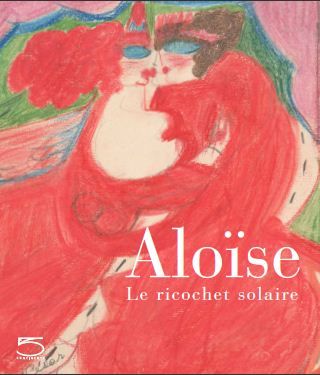
Aloïse. Le ricochet solaire, 5 Continents Editions, Milan/Collection de l’Art Brut, Lausanne/Musée cantonal des Beaux-Arts de Lausanne, 2012, 136 pages, 140 color illustrations.
More
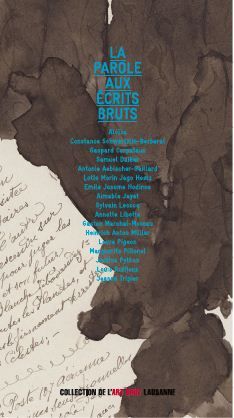
Brut writings speak out, boxed set with two CDs and a booklet illustrated, Collection de l’Art Brut, in collaboration with the radio station Espace 2, Swiss broadcasting company Radio Télévision Suisse, 2012.
More
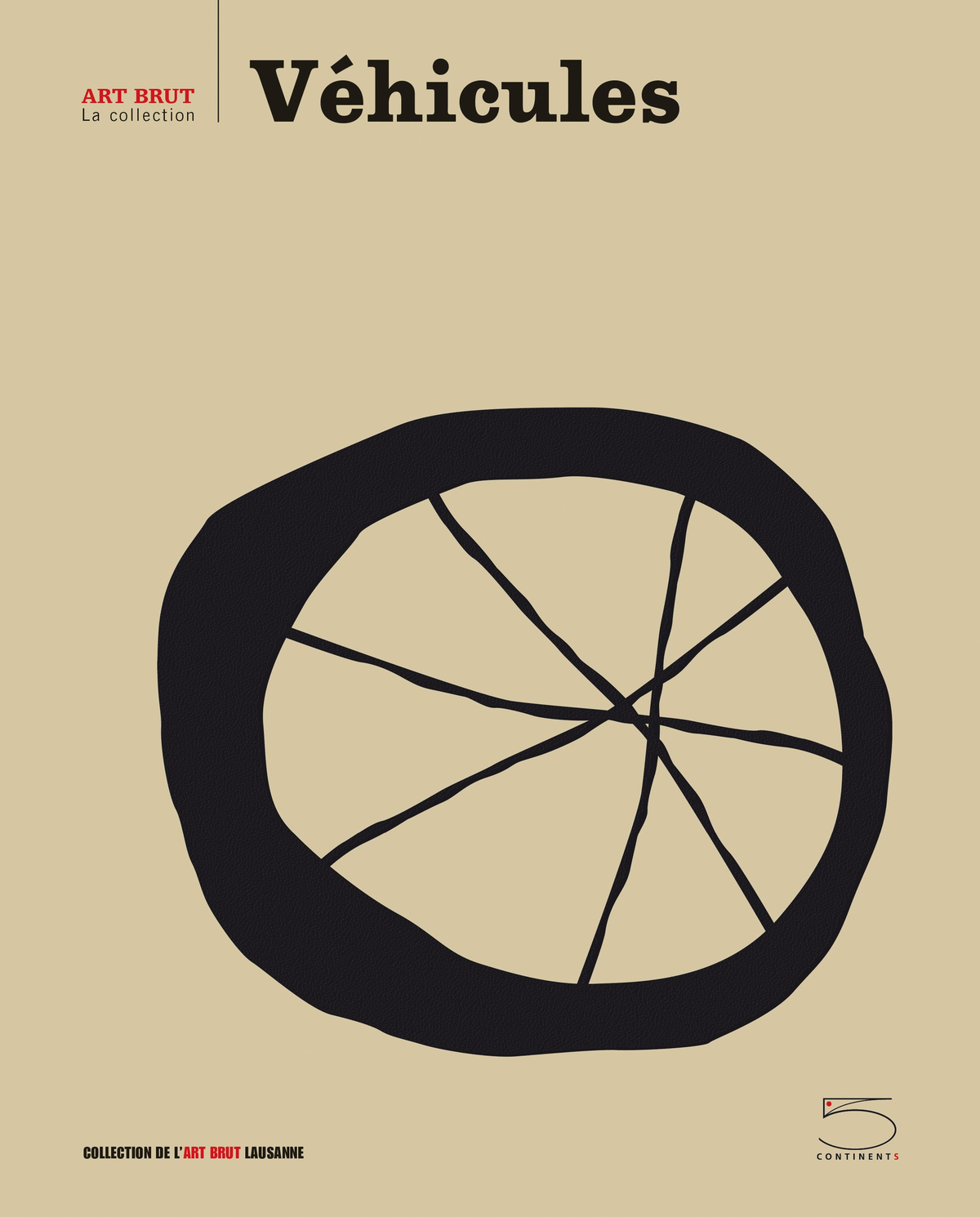
Véhicules (édition en français), Michel Thévoz and Anic Zanzi, with a Preface by Sarah Lombardi, Vehicles, Lausanne/Milan, Collection de l’Art Brut/5 Continents Editions, 2013, Art Brut, la collection Directed by Sarah Lombardi.20,5 x 25,5 cm, 168 pages, 130 color illustrations.
More
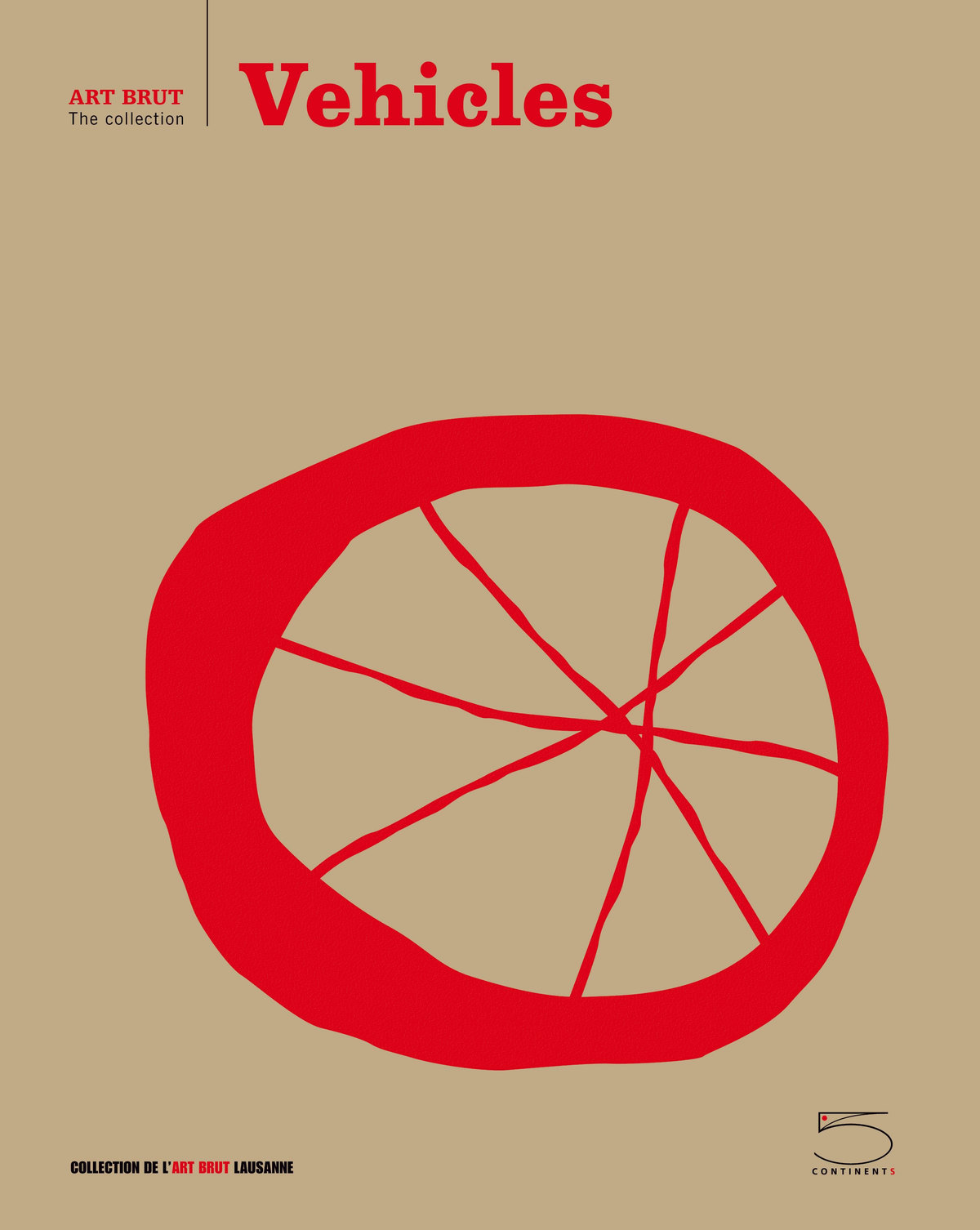
Vehicles (english version), Michel Thévoz and Anic Zanzi, with a Preface by Sarah Lombardi, Vehicles, Lausanne/Milan, Collection de l’Art Brut/5 Continents Editions, 2013, Art Brut, la collection Directed by Sarah Lombardi.20,5 x 25,5 cm, 168 pages, 130 color illustrations.
More
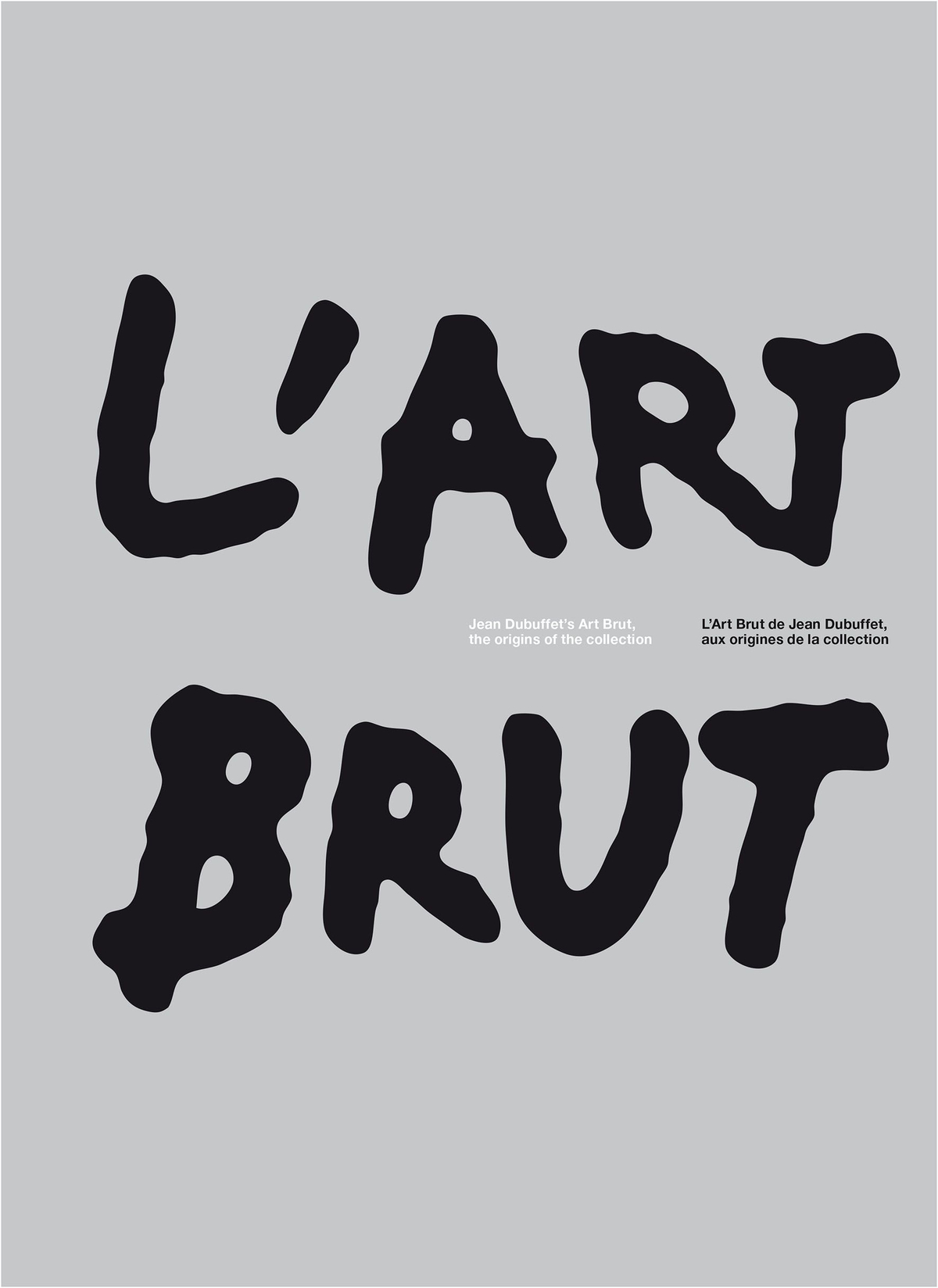
L'Art Brut de Jean Dubuffet, aux origines de la collection [Jean Dubuffet's Art Brut, the origins of the collection], directed by Sarah Lombardi, with texts by Sarah Lombardi a.o., Lausanne, Paris: Collection de l'Art Brut, Flammarion, 2016, 224 pp, 170 color illus., bilingual French/English.
More
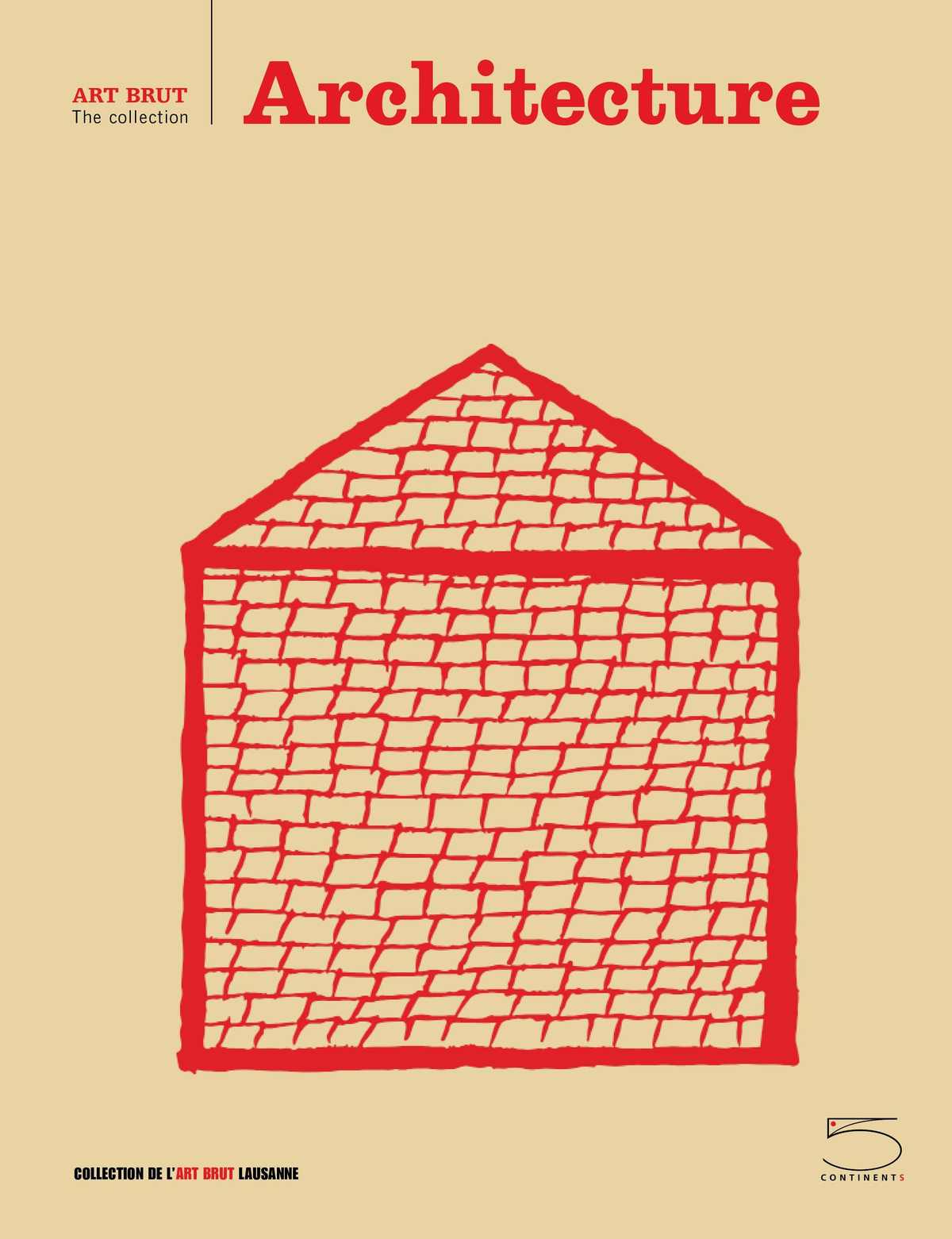
Architectures, Lausanne/ Milan, Collection de l’Art Brut/ 5 Continents Editions, 2015, "Art Brut, la collection" publication series directed by Sarah Lombardi, 20.5 x 25.5 cms, 168 pages, 142 color plates. Separate French and English versions.
More
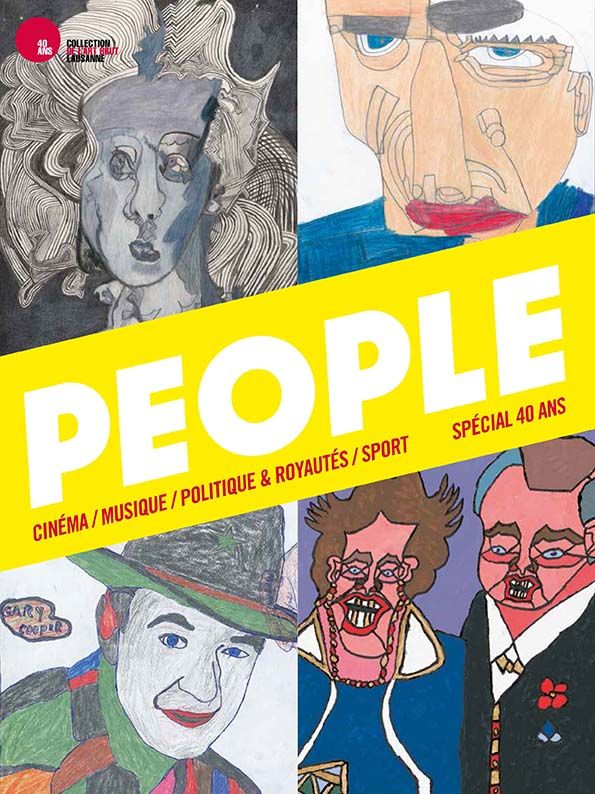
People, curated by Anic Zanzi, Lausanne : Collection de l’Art Brut, 2016, 38 pages.
More
Architectures, Lausanne/ Milan, Collection de l’Art Brut/ 5 Continents Editions, 2015, "Art Brut, la collection" publication series directed by Sarah Lombardi, 20.5 x 25.5 cms, 168 pages, 142 color plates. Separate French and English versions
More
Almanach de l’Art Brut, Jean Dubuffet et al.Fac-similé [maquette originale de 1948] Edition établie et présentée sous la direction de Sarah Lombardi et Baptiste Brun, en collaboration avec Vincent Monod, Lausanne/Milan, Collection de l’Art Brut/SIK-ISEA/ 5 Continents Editions, 792 pages, 2016, 21 x 28, 387 illustrations en couleur et n/b relié. ISBN est 978-88-7439-737-2
More
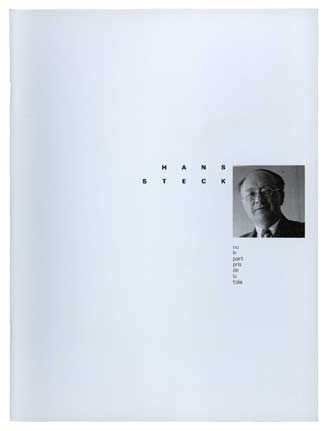
Hans Steck ou le Parti pris de la folie,24 cm, 22 b/w ill., 32 pp. Collection de l'Art Brut, Lausanne,1991.
More
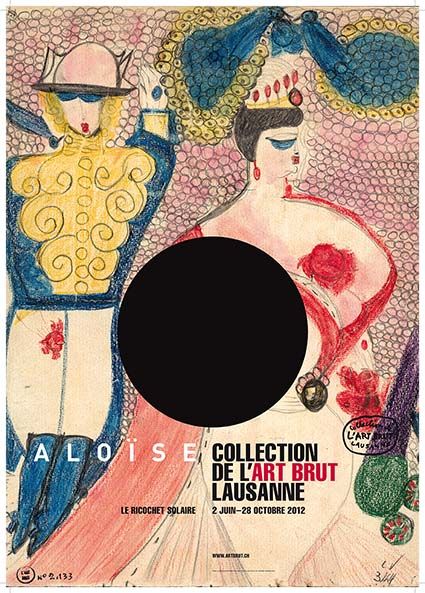
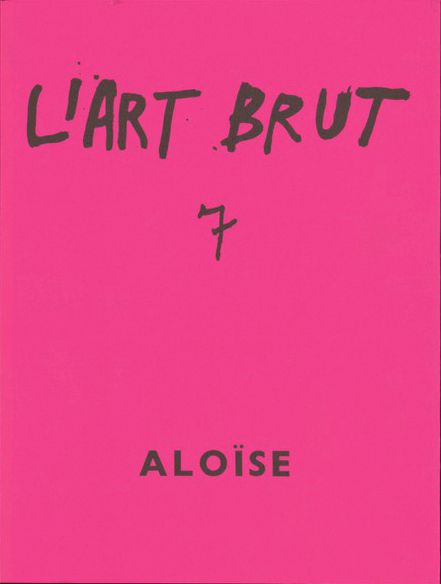
The Art Brut Fascicle N°07, 18 x 24 cm, 150 ill. black/white or color, about 160 pp. Since 1964 to 2013.In French. One fascicle CHF 30.-
Price Complete collection, 25 fascicles (N°2 - N°26) : CHF 720.-
More
Swiss Made, l’Art Brut en Suisse, sous la direction de Sarah Lombardi, Collection de l’Art Brut (Lausanne), 2018, disponible en Français, allemand, anglais et italien.
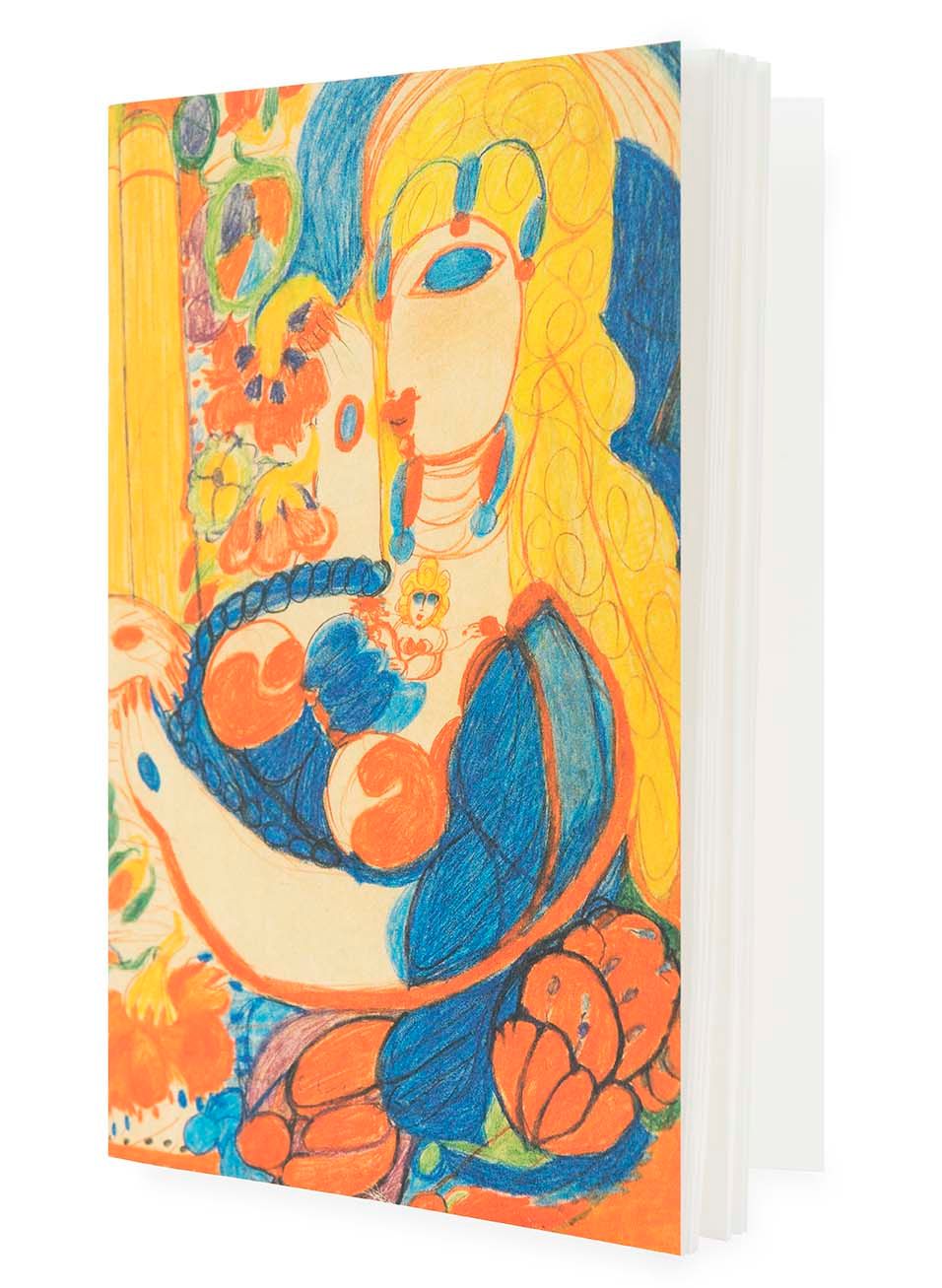
Notebook 32 pages/ 107 mm x 154 mm
More
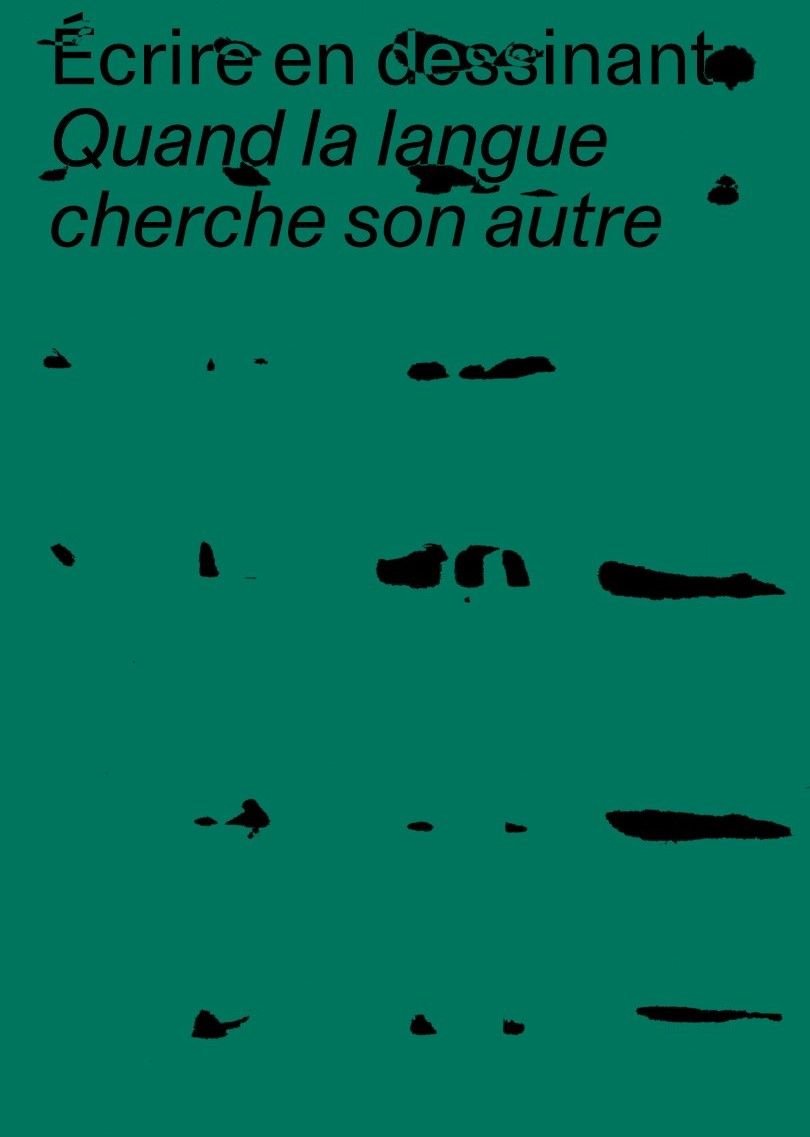
Through the work of nearly a hundred contemporary artists and Art Brut personalities, the exhibition Scrivere Disegnando and the catalogue Ecrire en dessinant explore writing’s shadow side. A terra incognita where arabesques, reiterated marks, scribblings, compulsive writings produce “meaning” in a field outside of language by becoming axioms of the unspeakable, of what is unfathomable in the soul as well as in language.
More
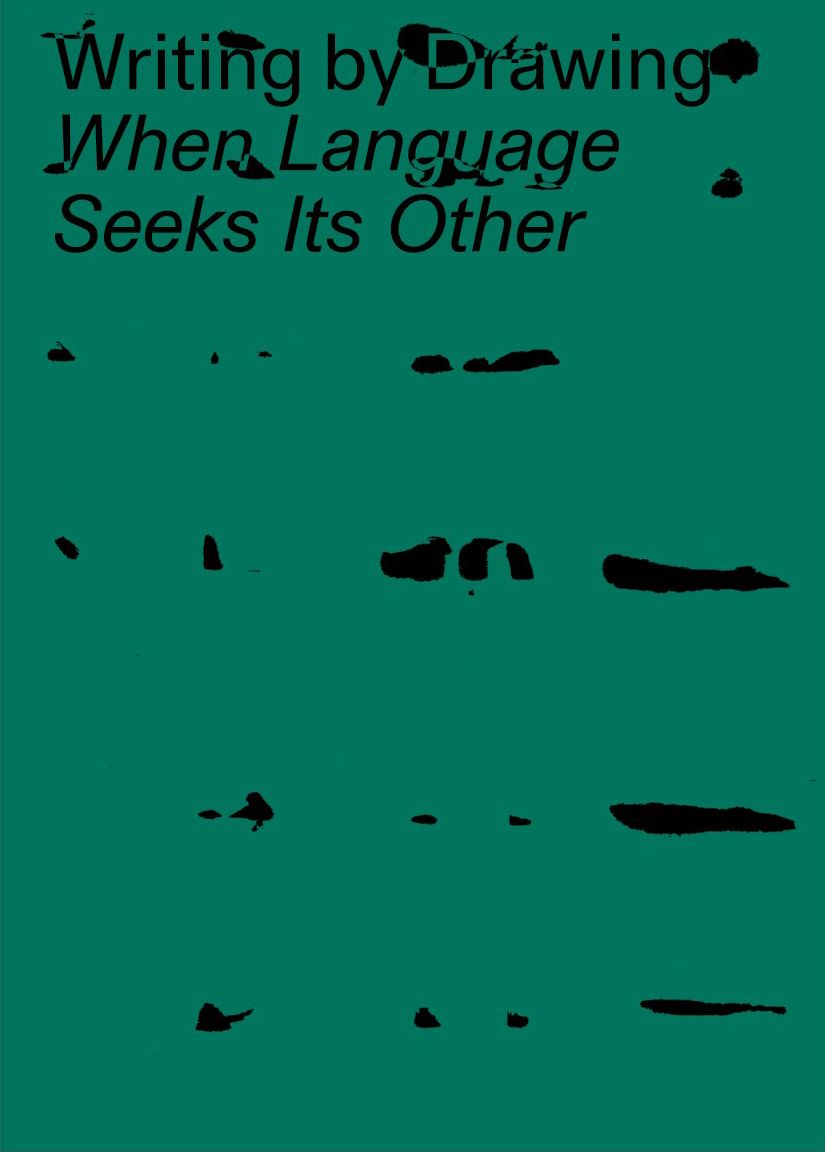
Through the work of nearly a hundred contemporary artists and Art Brut personalities, the exhibition Scrivere Disegnando and the catalogue Writing by Drawing explore writing’s shadow side. A terra incognita where arabesques, reiterated marks, scribblings, compulsive writings produce “meaning” in a field outside of language by becoming axioms of the unspeakable, of what is unfathomable in the soul as well as in language.
More
Swiss Made, l’Art Brut en Suisse, sous la direction de Sarah Lombardi, Collection del’Art Brut (Lausanne), 2018, disponible enFrançais, allemand, anglais et italien.
Swiss Made, l’Art Brut en Suisse, sous la direction de Sarah Lombardi, Collection de l’Art Brut (Lausanne), 2018, disponible en Français, allemand, anglais et italien.
Michel Thévoz, Pathologie du cadre, préface de Sarah Lombardi, Paris, Les Éditions de Minuit, 2020, 160 pages.
More
Swiss Made, l’Art Brut en Suisse, sous la direction de Sarah Lombardi, Collection de l’Art Brut (Lausanne), 2018, disponible en Français, allemand, anglais et italien.
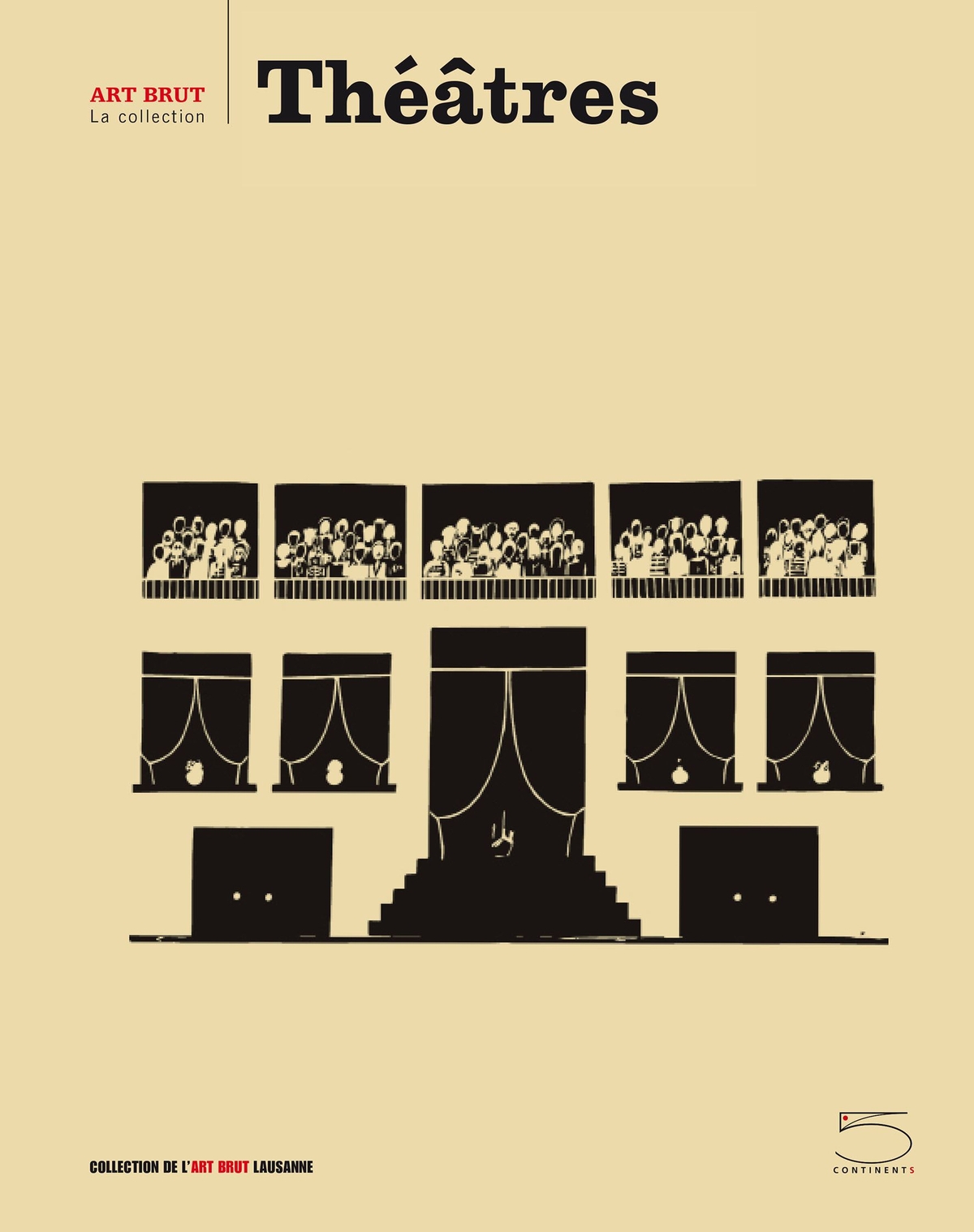
Pascale Jeanneret, Sarah Lombardi and Eric Vautrin, Théâtres, Lausanne/ Milan, Collection de l’Art Brut/ 5 Continents Editions, 2019, « Art Brut, la collection », under the direction of Sarah Lombardi, 144 pages, more than 100 colour plates, french or english version.
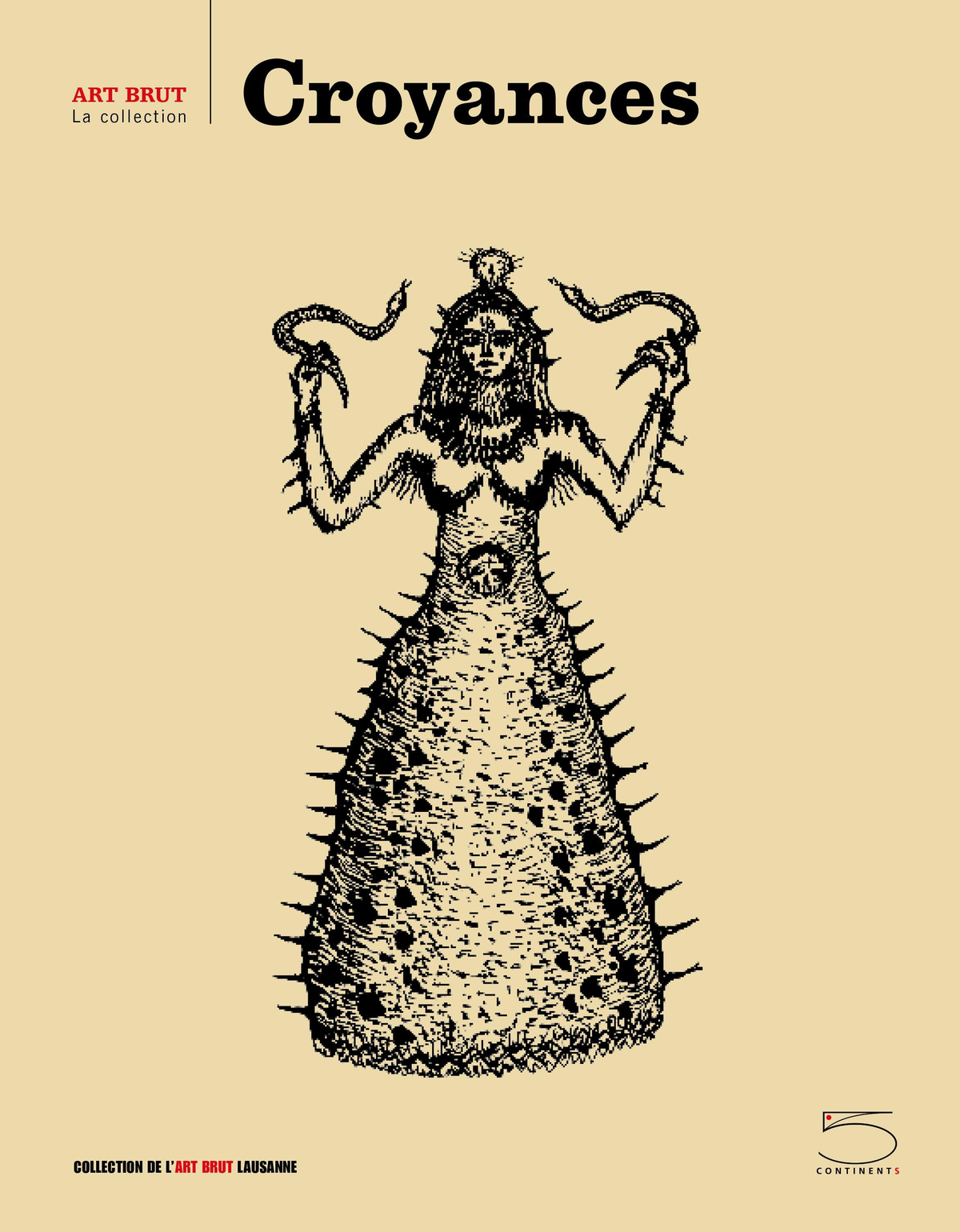
Emmanuel Grimaud, Sarah Lombardi and Anic Zanzi, Croyances, Lausanne/ Milan, Collection de l’Art Brut/ 5 Continents Editions, 2021,« Art Brut, la collection », under the direction of Sarah Lombardi,168 pages, more than 100 color plates, available in french or in english..
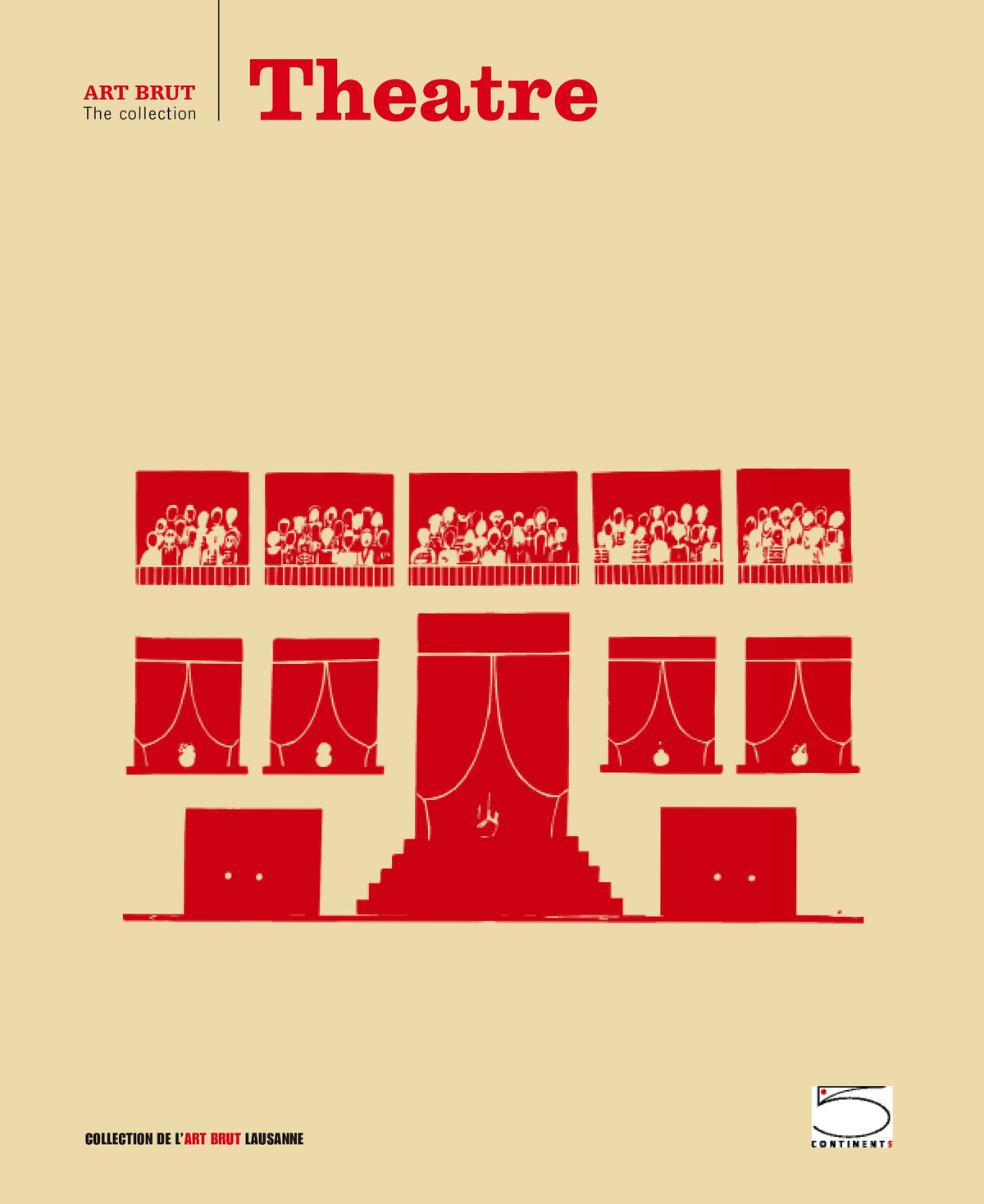
Pascale Jeanneret, Sarah Lombardi and Eric Vautrin, Theatre, Lausanne/ Milan, Collection de l’Art Brut/ 5 Continents Editions, 2019, « Art Brut, la collection », under the direction of Sarah Lombardi, 144 pages, more than 100 colour plates, french or english version.
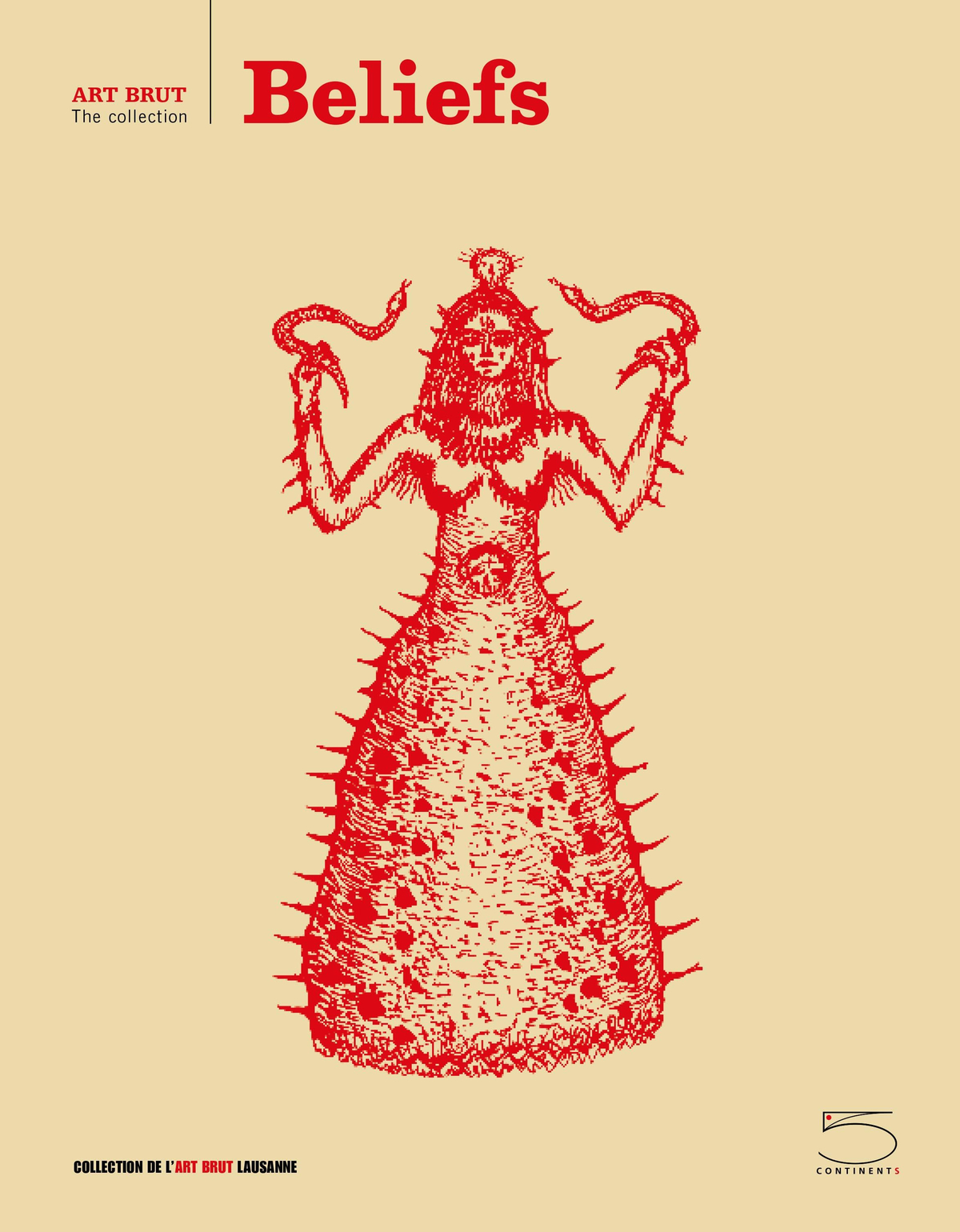
Emmanuel Grimaud, Sarah Lombardi and Anic Zanzi, Beliefs, Lausanne/ Milan, Collectionde l’Art Brut/ 5 Continents Editions, 2021, « Art Brut, la collection », under the direction of Sarah Lombardi, 168 pages, over 100 color plates, available in French or English.
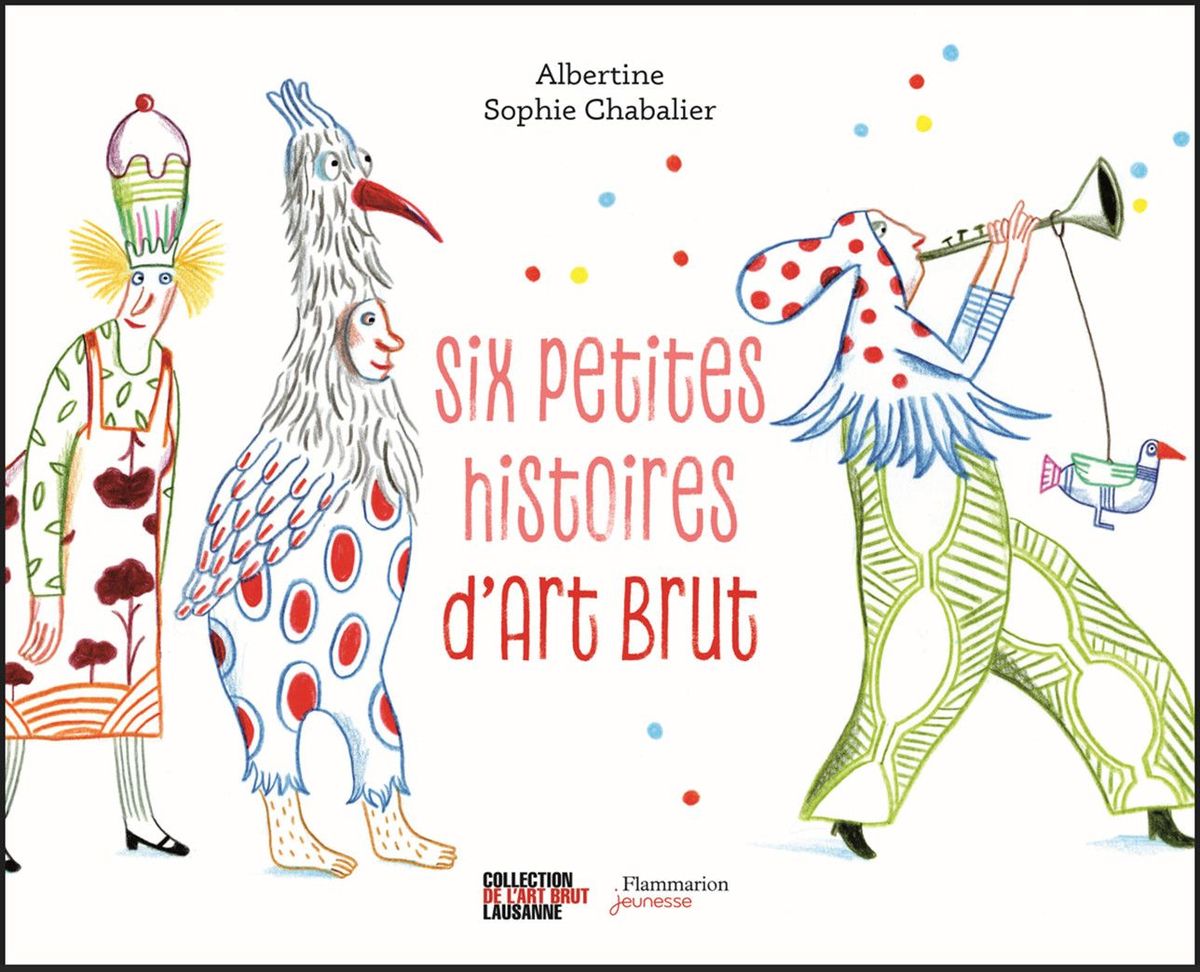
Six petites histoires d'Art Brut, Sophie Chabalier, Albertine, Flammarion Jeunesse Père Castor, 2025, 64 pages, cartonné, 21,80 x 26,90
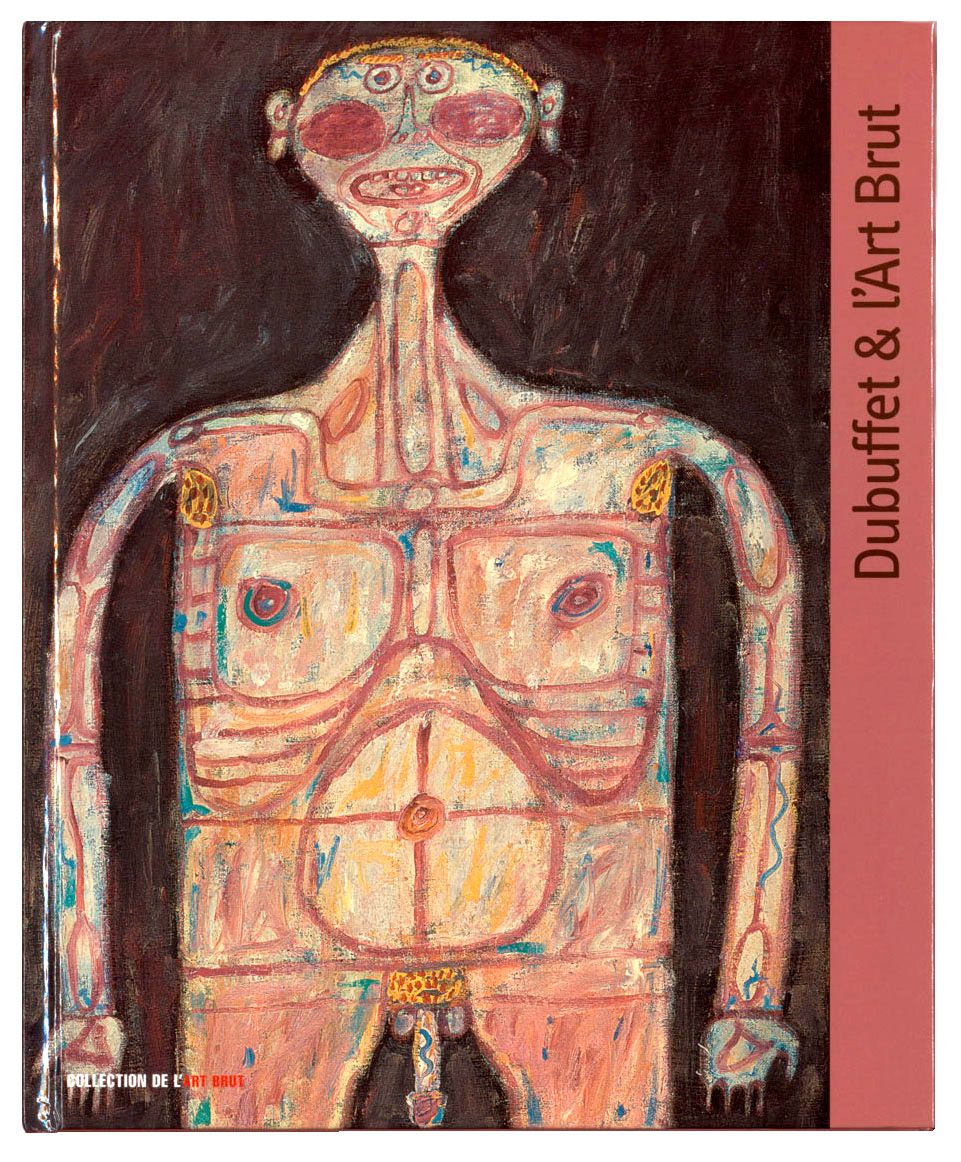
Dubuffet & l'Art Brut, 24 x 29 cm, 233 color ill., 191 pp. Editions 5 Continents/Collection de l’Art Brut, Milan/Lausanne,2005. In French and German.
More
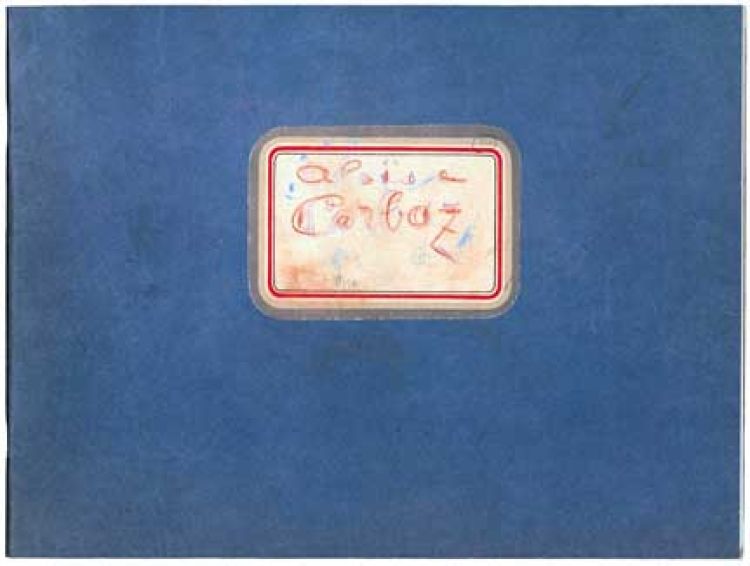
Aloïse III, 33 X 24.5 cm - [20] p. Collection de l'Art Brut, Lausanne, 1996. In French, German, and English.
More
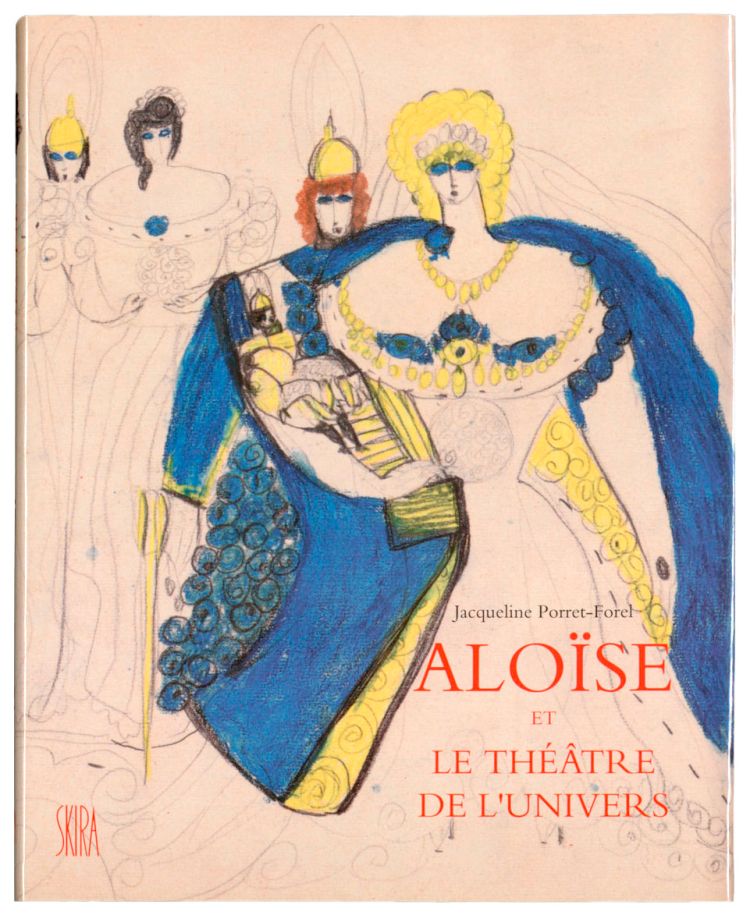
Aloïse and the Theater of the Universe, 31 cm, color illustrations, [154] p. Albert Skira, Geneva, 1993 In French.
More
Aloïse, Collection de l’Art Brut, 2012, 48 pages, 39 colour illustrations.
More
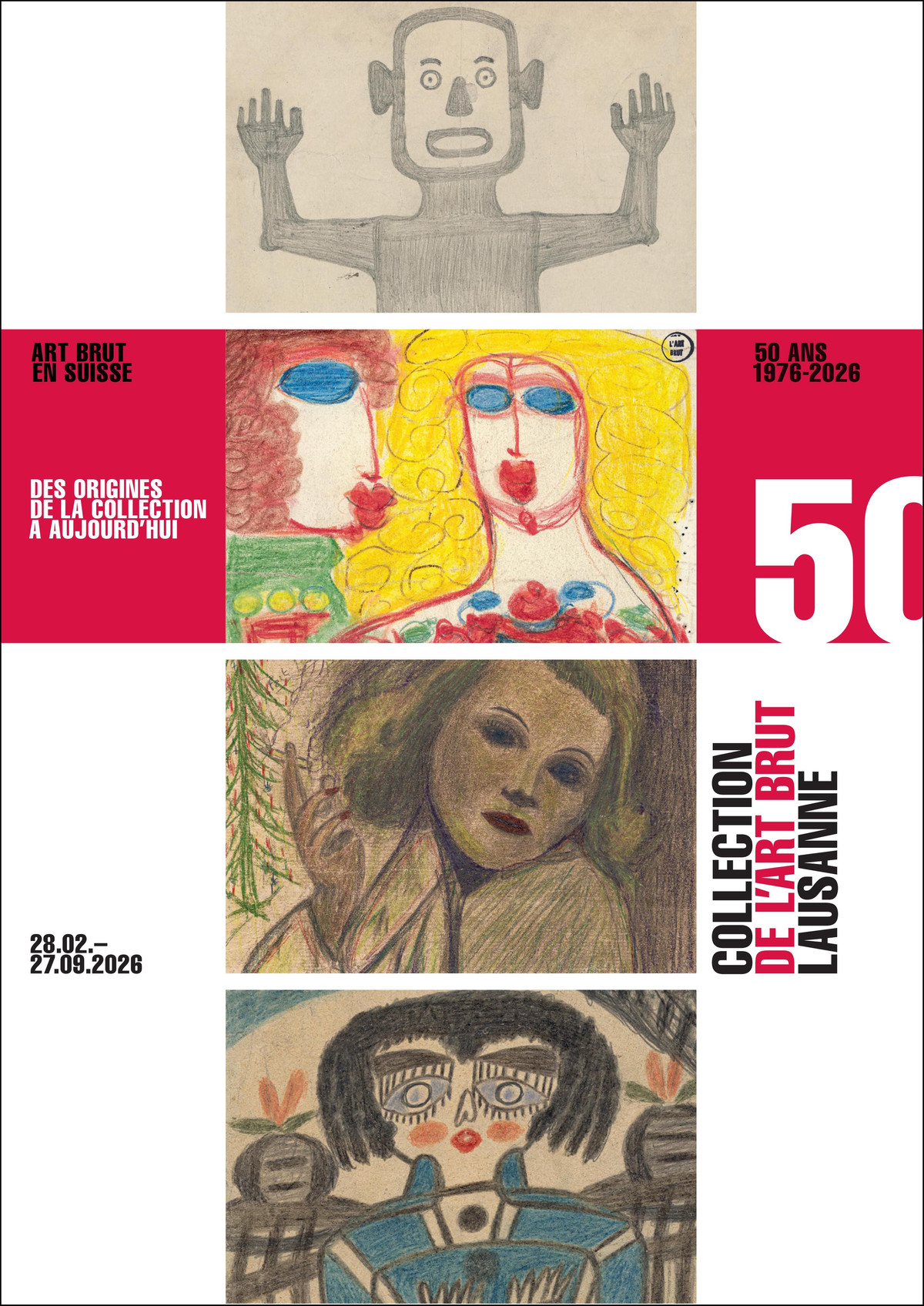
Exhibition poster Art Brut in Switzerland. From the origins of the Collection to today
Find in the online shop a selection of products related to the author
See full shopRelated to the author
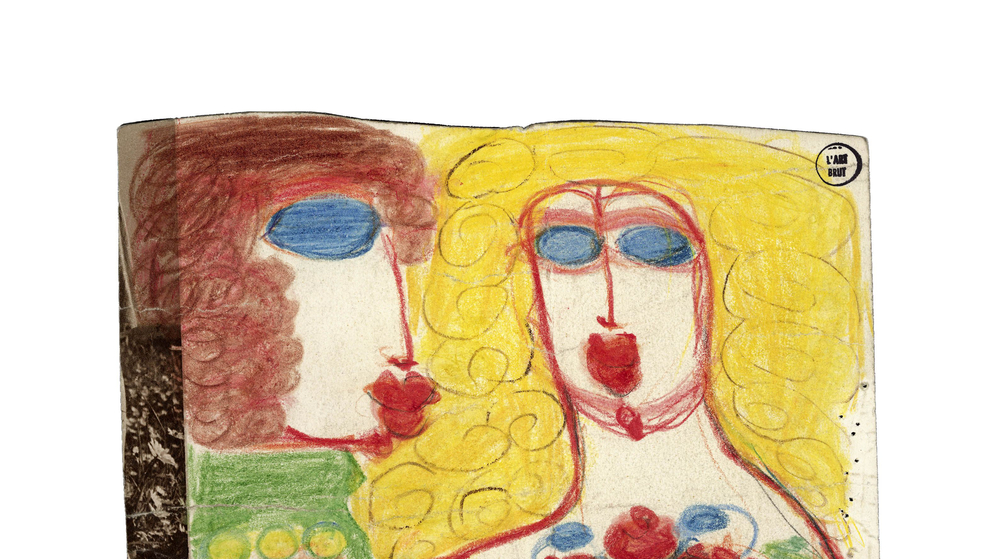
From 28 February 2026 to 27 September 2026
The exhibition Art Brut in Switzerland – From the Origins of the Collection to the Present, celebrating 50 years of creation and artistic freedom, between unknown masterpieces and fascinating stories, where Switzerland saw the birth of an aesthetic revolution. Sarah Lombardi, director of the Collection de l'Art Brut, is the curator of the exhibition.
Every day from 11 am to 6 pm (except Mondays)
Buy your ticket
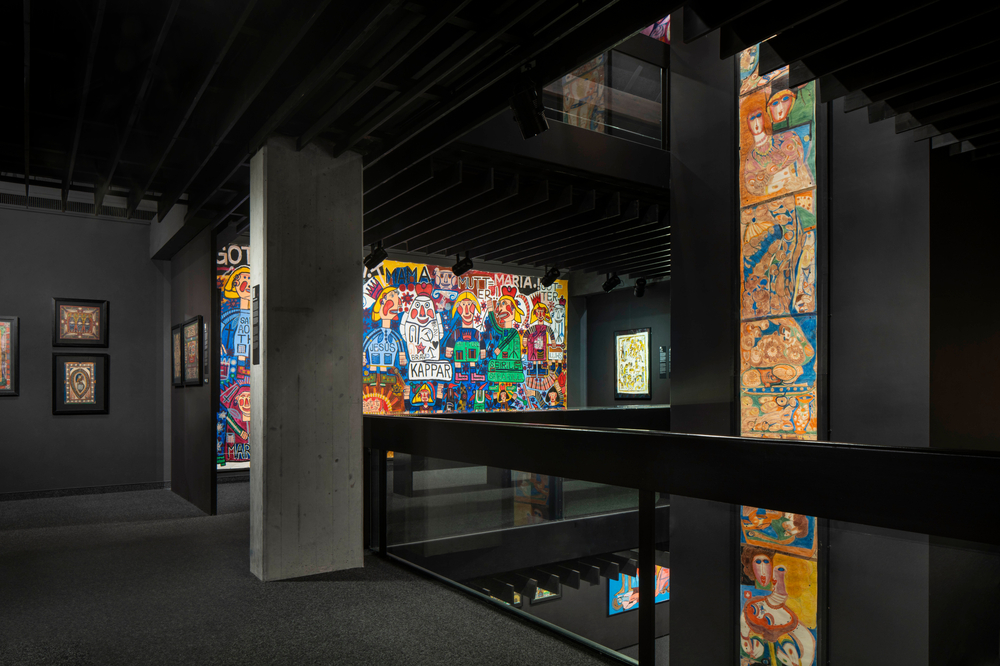
The museum constantly displays part of its collection, including works by major creators such as Aloïse Corbaz, Augustin Lesage, Marguerite Sirvins, and Auguste Walla. The Art Brut pieces are created by self-taught artists—solitary individuals living on the margins of society, patients of psychiatric hospitals—who produce work apart from tradition and artistic trends, without concern for public criticism or the gaze of others.
Every day from 11 am to 6 pm (except Mondays)
Buy your ticket
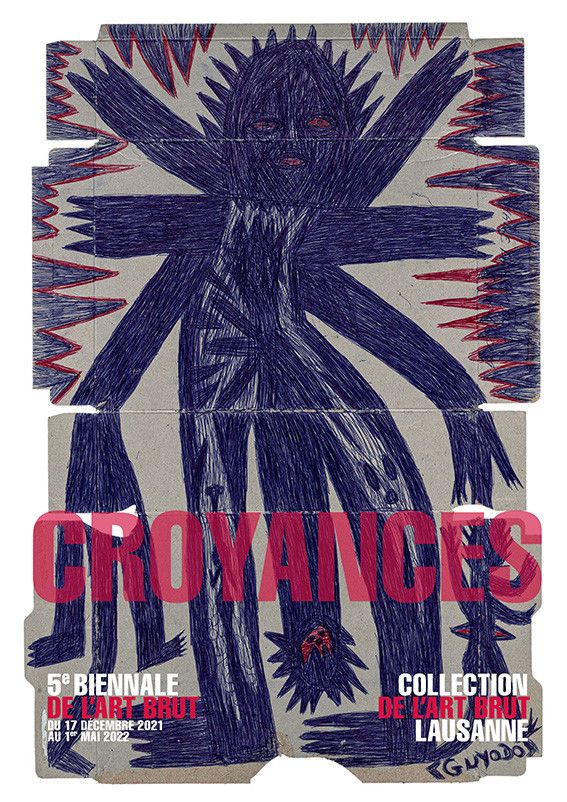
5th Art Brut Biennial: Beliefs
From 17 December 2021 to 1 May 2022
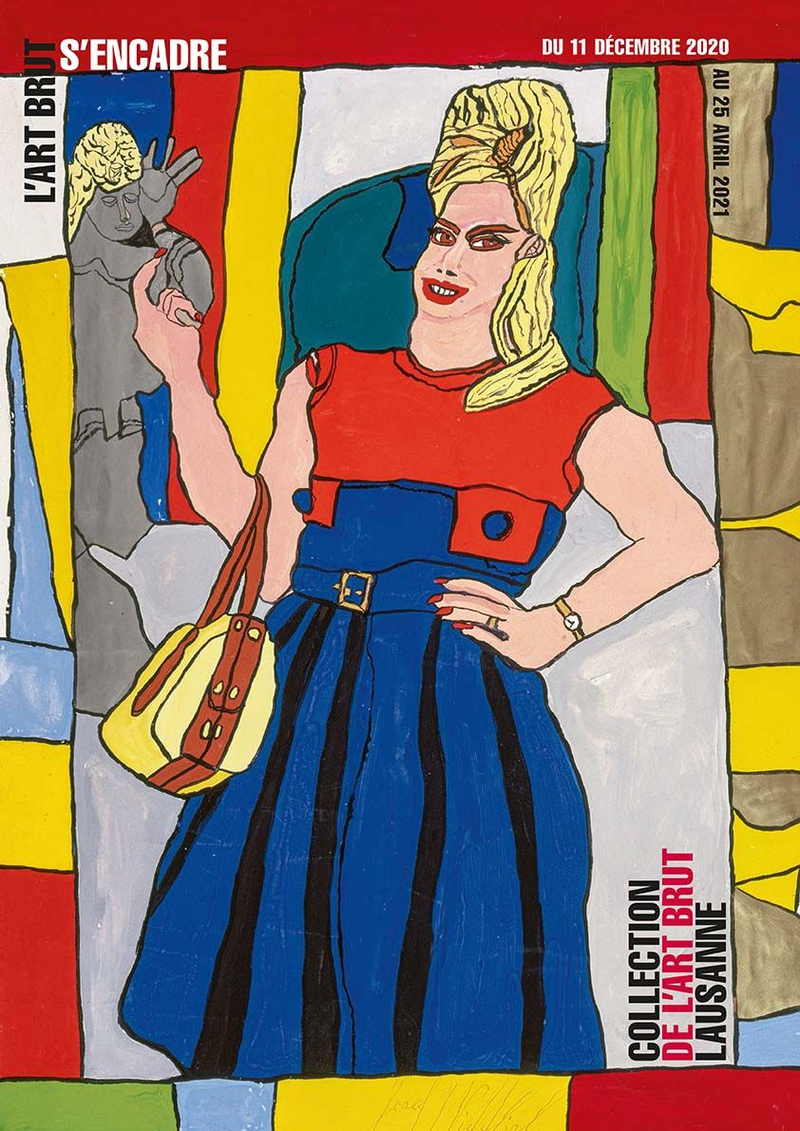
Art Brut: Frame Work
From 11 December 2020 to 24 May 2021
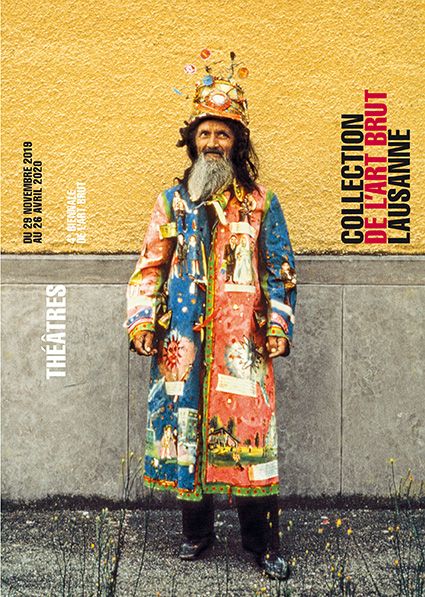
4th Art Brut Biennial: Theatre
From 29 November 2019 to 30 August 2020
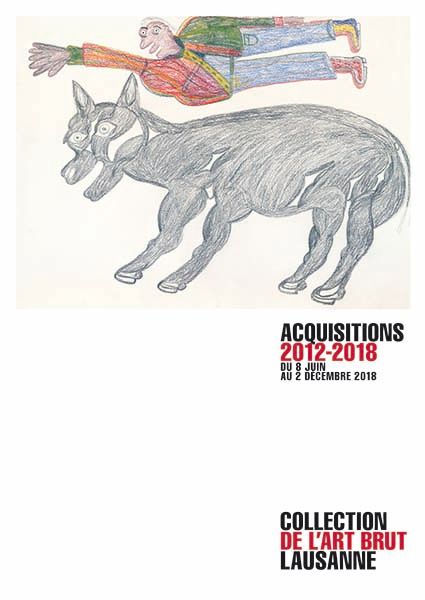
Acquisitions 2012-2018
3rd Biennial of Art Brut: Body
From 17 November 2017 to 29 April 2018
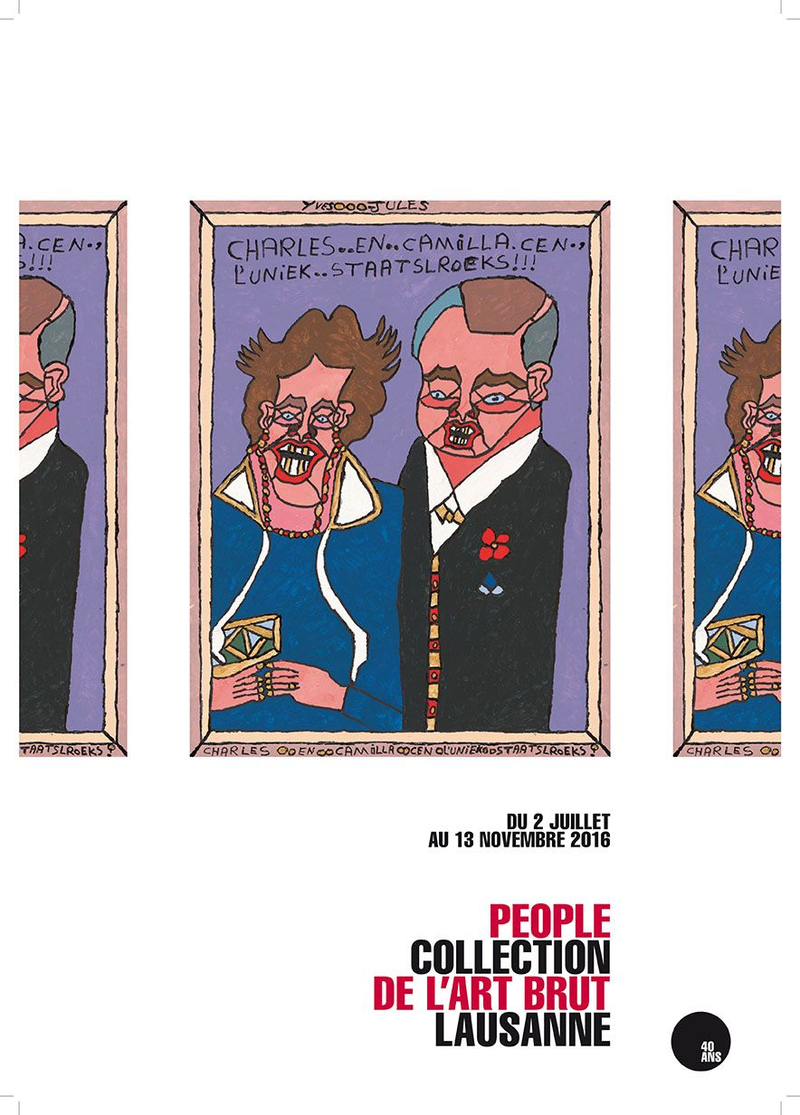
People
From 3 July 2016 to 13 November 2016
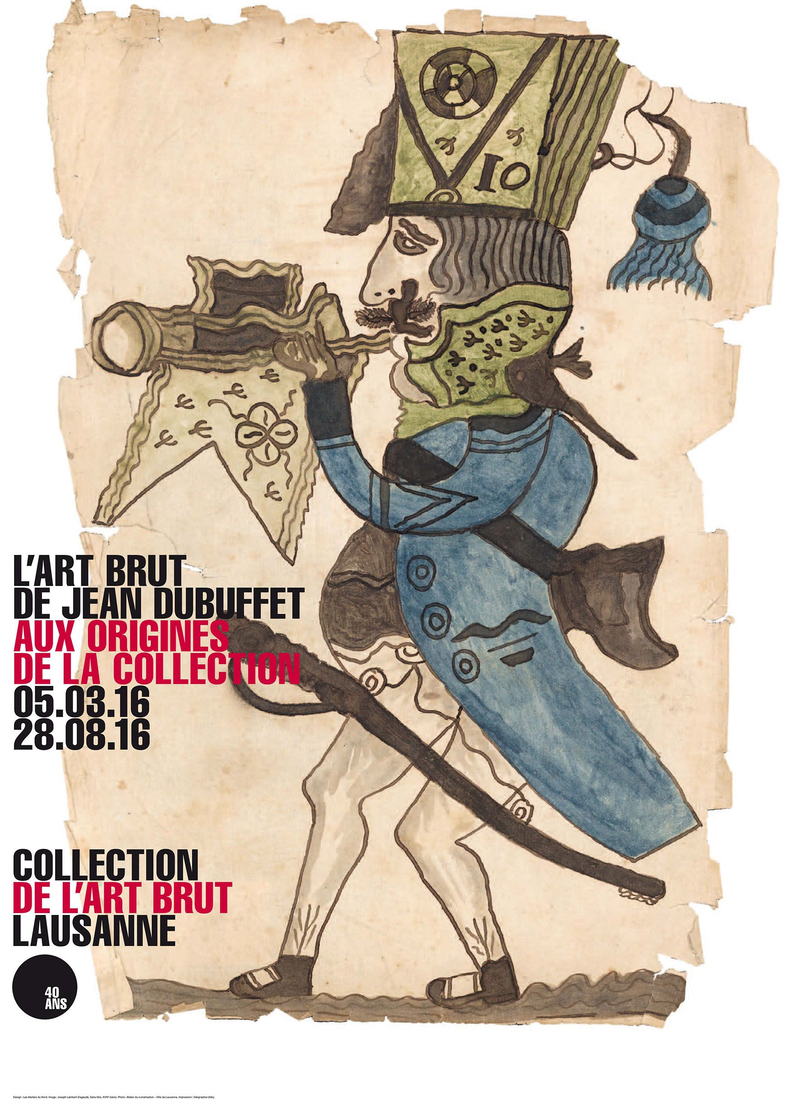
Jean Dubuffet´s Art Brut, the Origins of the Collection
From 5 March 2016 to 28 August 2016
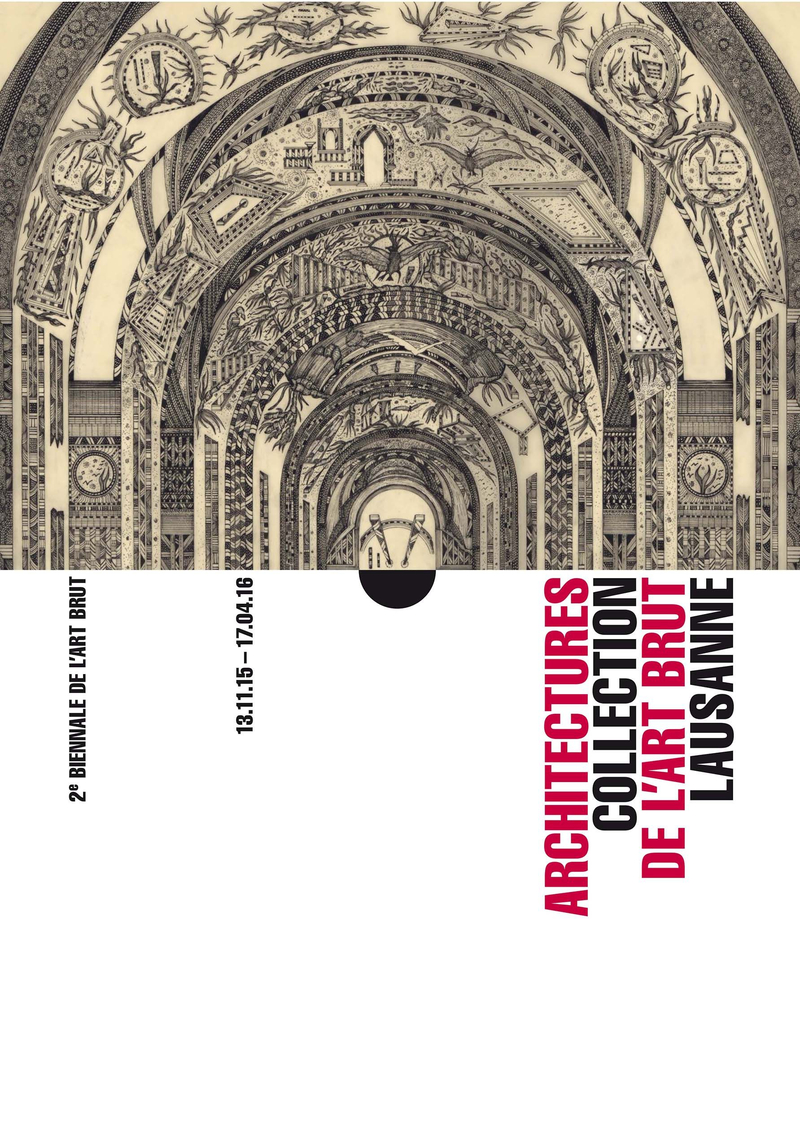
Architectures
From 13 November 2015 to 17 April 2016
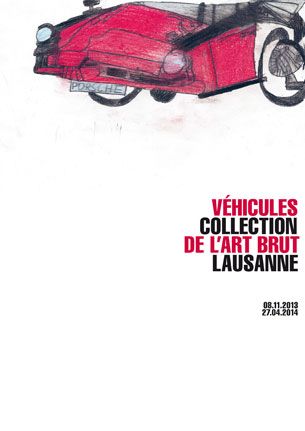
Vehicles
From 8 November 2013 to 27 April 2014
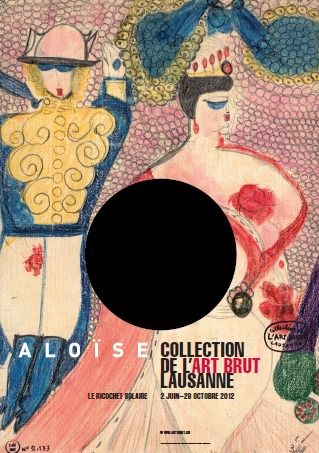
Aloise. The Solar Ricochet
From 2 June 2012 to 28 October 2012
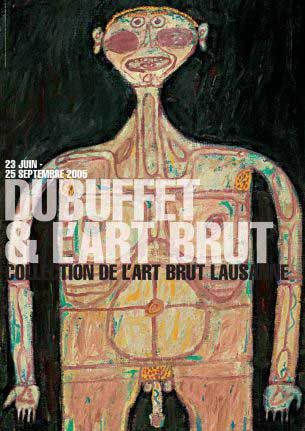
Dubuffet & Art Brut
From 23 June 2005 to 25 September 2005
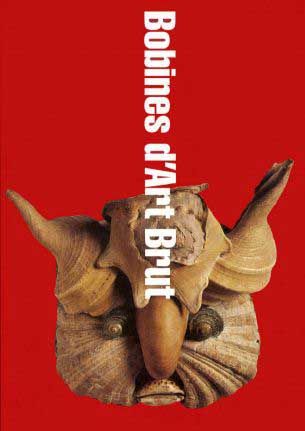
Face-to-Face with Art Brut
From 20 March 2004 to 26 September 2004